

Kyra Dobbie
COVID-19 Vaccine Bookings to Open For Children Aged Six Months to Under Five Years
NEWS RELEASE
July 21, 2022Ministry of Health
COVID-19 Paid Sick Days Extended to March 31, 2023
TORONTO — As of 8:00 a.m. on Thursday, July 28, 2022, parents and caregivers of children aged six months to under five years will be able to book appointments for the paediatric COVID-19 vaccine. Immunocompromised youth aged 12 to 17 will also become eligible to schedule their second booster dose (fifth dose) if at least six months have passed since their first booster (fourth dose).
“The approval of a lower dose paediatric Moderna vaccine will give families the opportunity to provide an additional layer of protection against COVID-19 for the youngest members of their families,” said Sylvia Jones, Deputy Premier and Minister of Health. “Getting vaccinated remains the best defence against COVID-19 and I encourage parents with questions to reach out to their health care provider, the Provincial Vaccine Contact Centre or the SickKids COVID-19 Vaccine Consult Service to make an informed choice for their family.”
Over the next several days, paediatric vaccines are being distributed across the province and will be available through public health unit clinics, as well as participating paediatricians, primary care providers and pharmacies. Starting July 28, appointments will be available through the COVID-19 vaccination portal and the Provincial Vaccine Contact Centre, directly through public health units using their own booking system, participating primary care providers and paediatricians, as well as at participating pharmacies and Indigenous-led vaccination clinics.
Parents and caregivers with questions are encouraged to speak with their health care provider or call the Provincial Vaccine Contact Centre at 1-833-943-3900 to speak to a health specialist or visit COVID-19 Vaccine Consult Service to book a confidential phone appointment with a SickKids Registered Nurse.
“We know that COVID-19 vaccines are safe and have helped lower the rate of infection in our communities throughout the pandemic,” said Dr. Kieran Moore, Chief Medical Officer of Health. “Although most children who get infected have no symptoms or mild symptoms, some can become very sick and require hospitalization. The vaccine offered to children aged six months to under five years is a lower dose that is safe and effective at protecting this age group from COVID-19. Even if a child has already had COVID-19, vaccination will help to further improve the immune response and provide more robust protection. I encourage every parent and caregiver to consider getting their younger children vaccinated and protected, especially if they are immunocompromised or have other serious medical conditions.”
The Ontario government is also ensuring workers do not lose pay if they miss work due to COVID-19 by extending paid sick days to March 31, 2023.
Eligible workers will continue to receive up to $200 a day for up to three days if they need to get tested, vaccinated, receive booster shots, self-isolate, or care for a family member who is ill from COVID-19. The government will continue to reimburse eligible employers for the paid leave days.
Quick Facts
- Children aged six months to under five years old will receive the paediatric Moderna COVID-19 vaccine which is a slightly modified, lower dose (half the amount given to children aged six to 11), in a two-dose series at a recommended interval of eight weeks between first and second doses.
- Parents or caregivers of children aged six months to under five years will have to provide consent on behalf of the child before or at the time of the appointment. To receive a vaccine, children must already be at least six months old.
- As of July 19, 2022, Ontario has administered more than 33 million doses of the COVID-19 vaccine, with more than 93 per cent of Ontarians aged 12 and over having received at least one dose, more than 91 per cent having received a second dose and more than 57 per cent having received a booster.
- Certain immunocompromised Ontarians are eligible for a three dose primary vaccination series and a first booster (fourth dose). Starting on July 28, immunocompromised individuals aged 12 to 17 will become eligible for their second booster (fifth dose) at a recommended interval of six months since their first booster (fourth dose). Immunocompromised individuals aged 18 and older are already eligible to receive their second booster dose (fifth dose).
- If you have questions about vaccine eligibility, please contact the Provincial Vaccine Contact Centre at 1-833-943-3900 (TTY for people who are deaf, hearing-impaired or speech-impaired: 1-866-797-0007), which is open seven days a week from 8 a.m. to 8 p.m. and capable of providing assistance in more than 300 languages.
Additional Resources
- Ontarians Aged 18+ Eligible for Second Booster Shot
- COVID-19 vaccines for children and youth
- Staying Up to Date with COVID-19 Vaccines: Recommended Doses
- Visit COVID-19 Vaccine Consult Service to book a confidential phone appointment with a SickKids Registered Nurse
- Ontario COVID-19 Worker Income Protection Benefit
- For resources in multiple languages to help local communication efforts in responding to COVID-19, visit Ontario’s COVID-19 communication resources webpage.
- Visit Ontario’s website to learn more about how the province continues to protect the people of Ontario from COVID-19.
Media Contacts
Stephen WarnerMinister Jones’ OfficeThis email address is being protected from spambots. You need JavaScript enabled to view it.
Anna MillerCommunications DivisionThis email address is being protected from spambots. You need JavaScript enabled to view it.416-314-6197
NOTICE OF PUBLIC MEETING TARIFF OF FEES, BUILDING FEES & OTHER CHARGES
TAKE NOTICE that the Township of Drummond/North Elmsley will hold a Public Meeting on:
DATE: August 23, 2022
TIME: 5:00 p.m.
LOCATION: Council Chambers, 310 Port Elmsley Road Perth ON K7H 3C7
TAKE NOTICE that the Township of Drummond/North Elmsley will hold a Public Meeting on August 23, 2022 at 5:00 p.m. in the Council Chambers,
310 Port Elmsley Road Perth ON K7H 3C7 to consider the passing of a by-law to adopt new Tariff of Fees including amended building fees and charges under Section 7(6) of the Building Code Act, and other charges.
The Township will be taking on the authority for septic inspections as of October 1, 2022 and the proposed fees will cover the cost of providing the service.
A report has been completed which outlines the new building permit fees, other charges, and the rationale to any changes or new charges. A copy of the report and proposed By-law is available for public viewing on the Township’s website, www.dnetownship.ca
All interested parties are invited to attend the Public Meeting and any person who attends the meeting may make representation relating to the proposed fees and other charges.
Members of the public wishing to comment on proposed fees and charges can provide written submissions to Cathy Ryder, Clerk by email at This email address is being protected from spambots. You need JavaScript enabled to view it. or by mail at 310 Port Elmsley Road, Perth ON
K7H 3C7 by 12:00 pm noon August 18. Written submissions must include your full name, address, and an email or telephone number at which you can be reached.
Questions concerning the fees can be directed to:
Pete Echlin, CBO at 613-267-6500 ext. 240 This email address is being protected from spambots. You need JavaScript enabled to view it.
Septic Inspection Services Update
REPORT # CAO-2022-13
Amendment to the Tariff of Fees Bylaw
REPORT # CA-2022-21
BY-LAW NO. 2022-0xx
TARIFF OF FEES BY-LAW
Be Aware of the Effects of Extreme Heat
MEDIA RELEASE:
Leeds, Grenville and Lanark District Health Unit
July 18, 2022
Hot weather is expected tomorrow and Wednesday this week and the Health Unit would like to remind everyone to take care during times of high temperatures and high humidity. Environment and Climate Change Canada has issued a heat warning for our Health Unit area because heat and humidity are expected to rise into the high thirties. Night time temperatures are also expected to be above 20oC tomorrow and Wednesday night.
Heat warnings are issues when:
• Daytime temperature of 31oC or higher and nighttime temperature not cooler than 20oC for at least two days, or
• Humidex of 40oC for at least two days are expected
High heat can be hazardous to your health as they have the potential to cause dehydration, heat exhaustion, heat stroke and in some cases death.
During a Heat Warning, the public is strongly encouraged to check on a neighbour or a friend who may have a greater risk of suffering negative health consequences from the heat and humidity. Use this guide NCCEH Extreme Heat Event - Health Checklist WEB_0.pdf to check on friend and family.
Everyone is at risk; however the following are in greater danger of being affected:
• elderly
• people with chronic illness or who take certain medications
• infants and preschool children
• people who have challenges with housing and shelter
• people who participate in physical activity or are involved in strenuous outdoor work for prolonged period
Even short periods of exposure to high temperatures can cause health problems. If you experience the following symptoms after exposure to extreme heat seek medical attention immediately:
• Nausea, dizziness, blurred vision
• Difficulty or rapid breathing
• Severe headache or confusion
• Convulsion
• Fever
Dr. Paula Stewart, Medical Officer of Health for the Leeds, Grenville and Lanark District Health Unit, would like to remind the public that during a high heat event it is important to keep cool, hydrated and to take the following precautions:
- Do not leave children, adults or pets in parked cars or sleeping outside in direct sunlight.
- Consult your doctor or pharmacist regarding the side effects of your medications.
- Drink plenty of water throughout the day, even if you don’t feel very thirsty. Remember to take sips often and not to guzzle your drink. Learn more about hydration at unlockfood.ca.
- Eat foods that have high water content such as watermelon, grapes and oranges.
- Limit caffeinated beverages such as coffee and cola.
- Avoid going out in the blazing sun or heat. If you must go outside, stay in the shade as much as possible.
- Take a cool bath or shower periodically or cool down with cool, wet towels.
- Whenever possible go to an air-conditioned room or building.
- Wear loose fitting, light clothing and a wide-brimmed hat when outdoors.
- Keep window shades or drapes drawn and blinds closed on the sunny side of your home.
- Keep electric lights off or turned down low.
- Visit a local splash pad.
- Visit a local pool or beach – A list of beaches sampled are on our website along with the most recent water sample results.
- If you can, eat a variety of foods that can be prepared safely without using the oven.
- Don’t skip meals, instead eat smaller amounts more often. Use Canada’s New Food Guide. Check out the snacks on this page.
- Use fans to draw cool air at night, but do not rely on a fan as a main cooling device during long periods of high heat and humidity.
- Reduce the use of personal vehicles, stop unnecessary idling; avoid using oil-based paints and glues, pesticides and gas-powered small engines.
For more information on how to protect your health during extreme heat, visit our Exposure to Hot/Cold Temperatures page. For specific health heat-related questions call 1-800-660-5853 or 613-345-5685. You can also connect with us on Facebook, Twitter @LGLHealthUnit or Instagram @lglhealthunit.z for important public health updates.
-30-
Contact
For media interviews, contact: Susan Healey, Communications Co-ordinator This email address is being protected from spambots. You need JavaScript enabled to view it..
Ontarians Aged 18+ Eligible for Second Booster Shot
Leeds, Grenville & Lanark District Health Unit
|
Health Unit Raises Awareness about Bats and Rabies
Leeds, Grenville and Lanark District Health Unit
MEDIA RELEASE:
July 11, 2022
Approximately three percent of bats carry the rabies virus. The most common signs of rabies in bats are the inability to fly and resting in unusual places such as the ground or floor. It is important to remember many of the bats that get into our homes are healthy bats and are looking for a way out.
Bats are nocturnal animals and feed most actively two to three hours following sunset. They are efficient pest controllers as they consume three times their body weight in insects per night. Bats select attics for nursery colonies, however, during the day they roost in trees and in buildings. Bats are usually born in June. Nests are not required as the young are able to fly and obtain their own food within three weeks. Hibernation occurs between November and March. Some species typically hibernate in attics of buildings while others prefer caves.
Diseases Bats May Carry
Bats do have the potential to carry diseases such as rabies and histoplasmosis, which can affect humans and animals. They may also transmit distemper and mange to household pets.
- Rabies is a disease caused by a virus that attacks the central nervous system, and is found in the saliva of infected animals. Rabies is fatal if left untreated.
- Histoplasmosis is a disease caused by a fungus that grows in soil contaminated with bat or bird droppings. Exposure to the fungus occurs when the soil is disturbed. The disease primarily affects the lungs and can be fatal if left untreated. If you are cleaning areas where bat droppings have accumulated be sure to wear a protective mask and gloves and keep dust to a minimum.
Bat Encounters
Bat exposures: If a bat is carrying the rabies virus, there is a risk of it being transmitted to an individual when both the following conditions apply:
- There has been direct contact with a bat – direct contact with a bat is defined as the bat touching or landing on a person;
AND
- A bite, scratch, or saliva exposure into a wound or mucous membrane. If you are bitten by a bat or if saliva from a bat gets into your eyes, nose, mouth or a wound, wash the affected area thoroughly and get medical attention immediately. If the bat is available, the Health Unit can arrange for it to be tested for rabies.
In a child, any direct contact with a bat (i.e., the bat landing on or touching the child, including contact through clothes) could be considered a reason for vaccine administration, as a child may not be able to reliably communicate the encounter with the bat to determine the type of the contact (i.e., a bite, scratch or mucous membrane exposure).
If you have experienced a bat encounter and/or may have been bitten, contact 1-800-660-5853 or on weekends call 613-345-5685 and seek medical attention from a health care provider.
Bat Proofing Your Home
Bat proofing your house is necessary when the bats are entering the living space of your home. It is advisable to contact a pest management company or a wildlife conservation agency for assistance with bat-proofing your home.
If you find a bat in your home and there was no human or animal contact, the bat can be released to the outdoors. Wear thick gloves when handling the bat to avoid being bitten.
Rabies can also affect pets; to protect your pet from rabies it is important to vaccinate them. Rabies vaccination is mandatory in Ontario for domestic cats and dogs. The Health Unit, in Partnership with local Veterinarians and Municipalities, will be holding Rabies Vaccination Clinics on September 14, 2022. The cost is $20.00 per animal; information about our Rabies Clinics times and locations will be posted on our website and on social media near the end of August.
Related Links
- Bats – Health Canada
- Keeping Bats Out of Your House – Centers of Disease Control and Prevention
- Prevent conflicts with bats | ontario.ca
- Bat Conservation International
-30-
For media interviews, contact: Susan Healey, Communications Co-ordinator or email This email address is being protected from spambots. You need JavaScript enabled to view it.
On-street parking in Lanark Village restricted due to construction
Lanark County
Media Release
July 11, 2022
Road resurfacing work is scheduled to begin on County Road 511 starting in the Village of Lanark on Wednesday, July 13. Traffic will be reduced to one lane in the area where work is taking place.
Lanark County Public Works advises that roadside parking will be restricted within the village fromWednesday, July 13 to Friday, July 15, and vehicle access to driveways may be temporarily
unavailable.
“Please ensure vehicles are removed from the street to allow for the work to proceed,” said Sean Derouin, public works manager. “If your parked vehicle affects the construction work, it will be relocated at the owner’s expense.”
Businesses may want to consider adjusting delivery times as a result of the lane and parkingrestrictions during this project. “We apologize for any inconvenience this project may cause you,” Derouin added.
For further information, please contact:
Sean Derouin, P.Eng, CET
Public Works Manager
Lanark County
1-888-9-LANARK, ext. 3194
Spring Fever Photography Contest Results
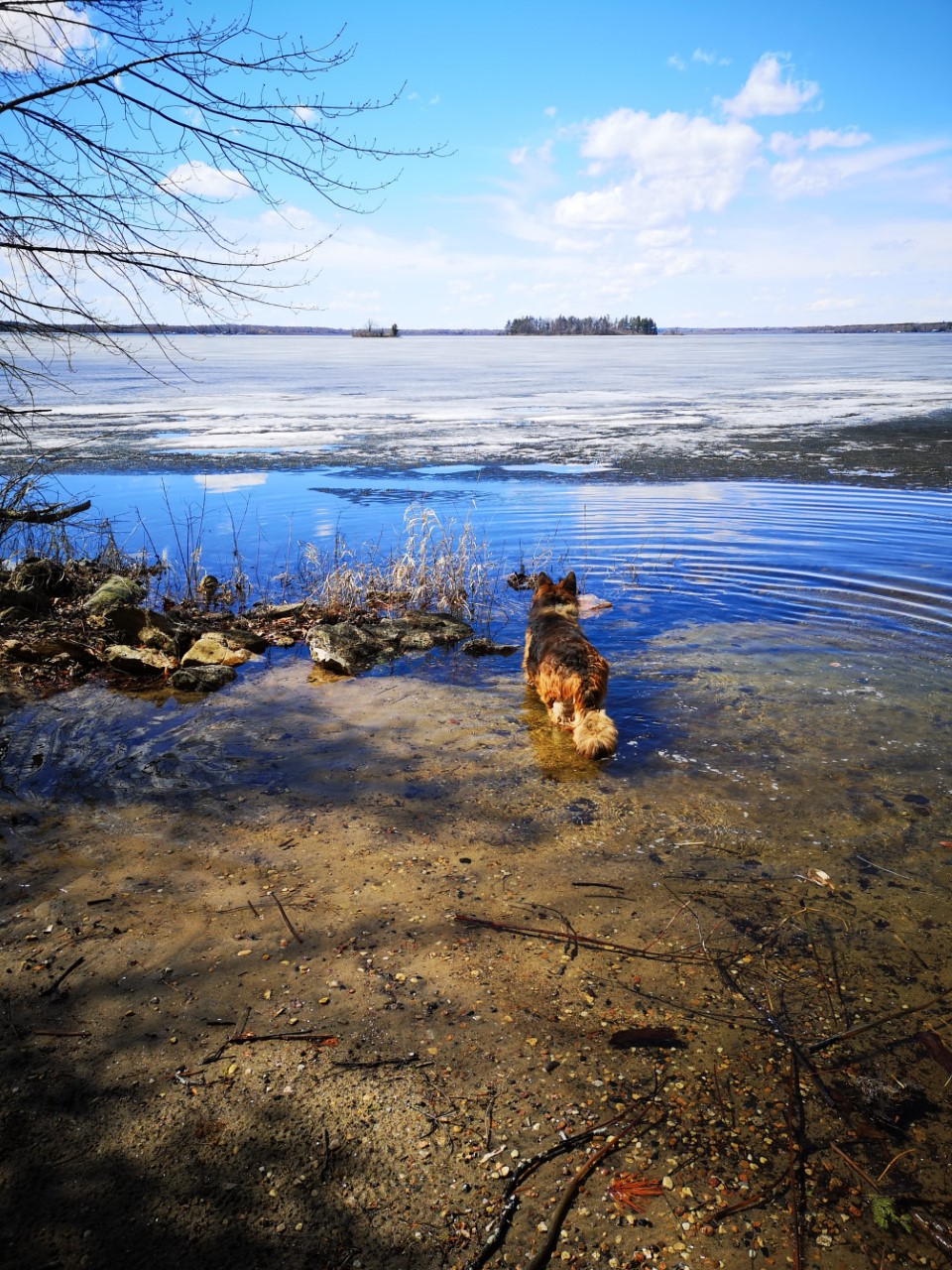
We are super excited to congratulate Pat Purdy for winning first place in the 2022 Spring Fever Photography Contest. She captured a lovely moment in early spring on Mississippi Lake with her sweet dog braving the thawing waters for a quick dip.
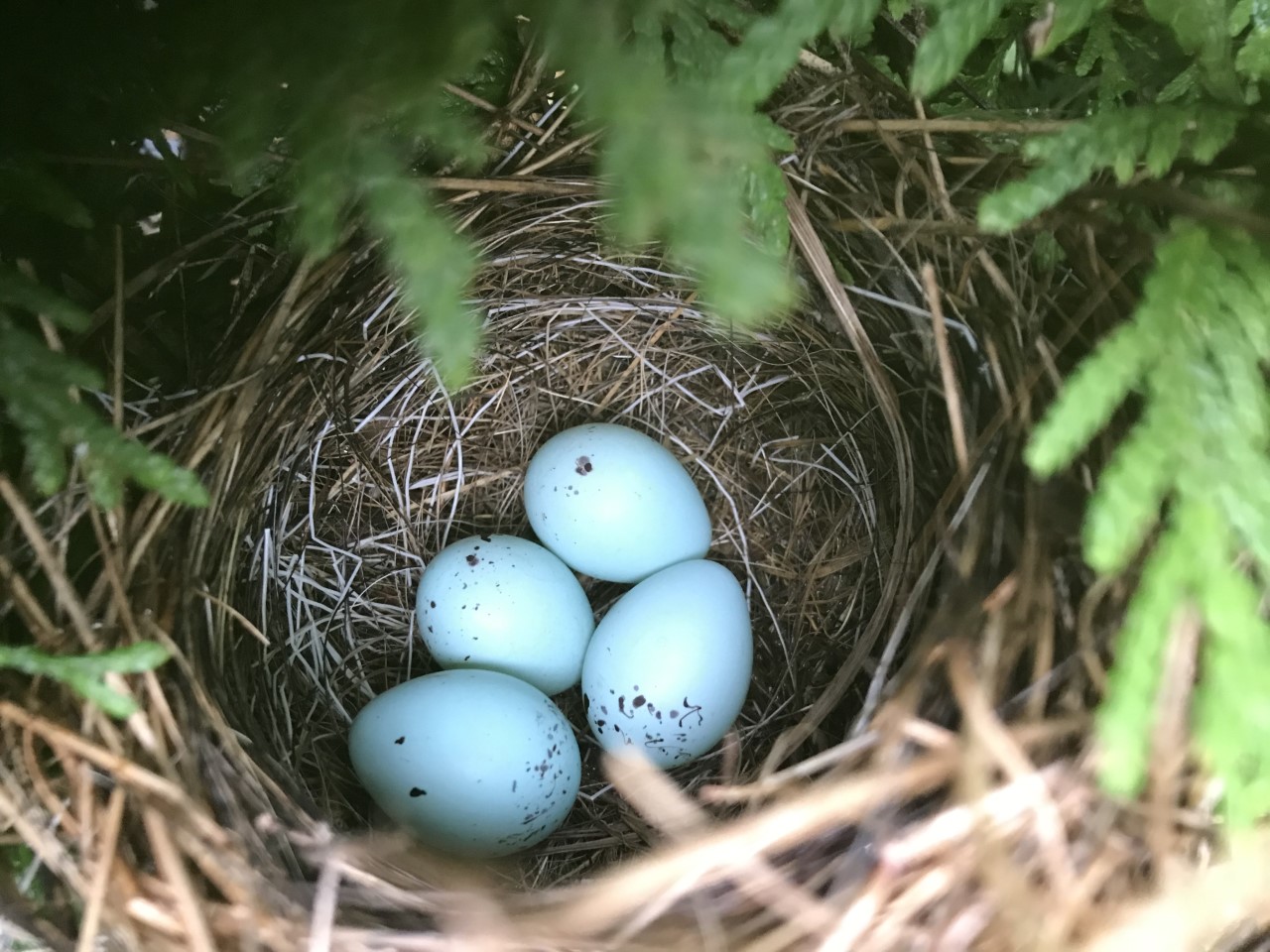
Our second place winner is Megan Laye, with this lovely close up of a nest filled with Chipping Sparrow eggs. Nothing says spring like baby birds and new life!
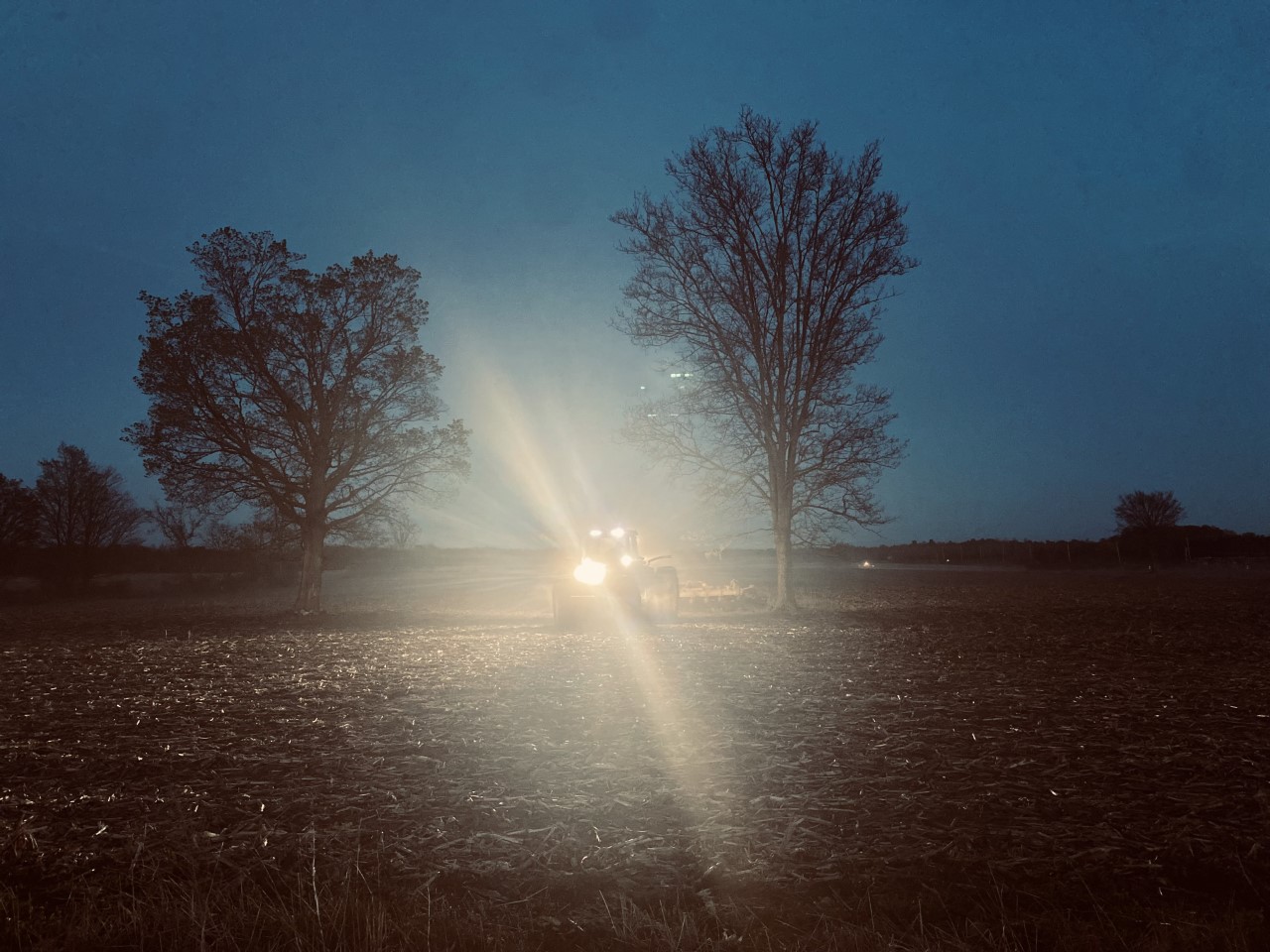
Lynsey Wheeler takes third place with her photo representing the rural living in Drummond/North Elmsley.
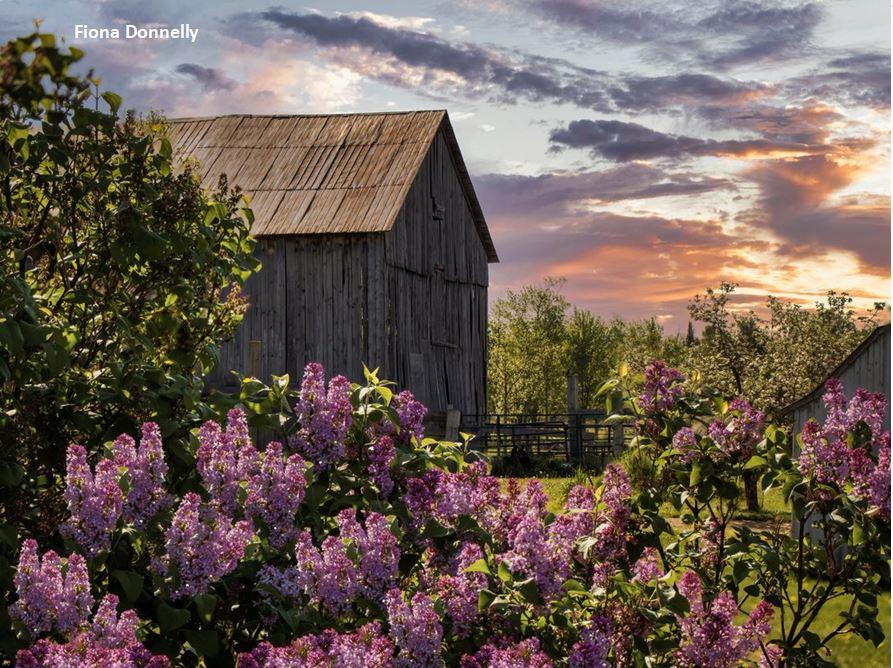
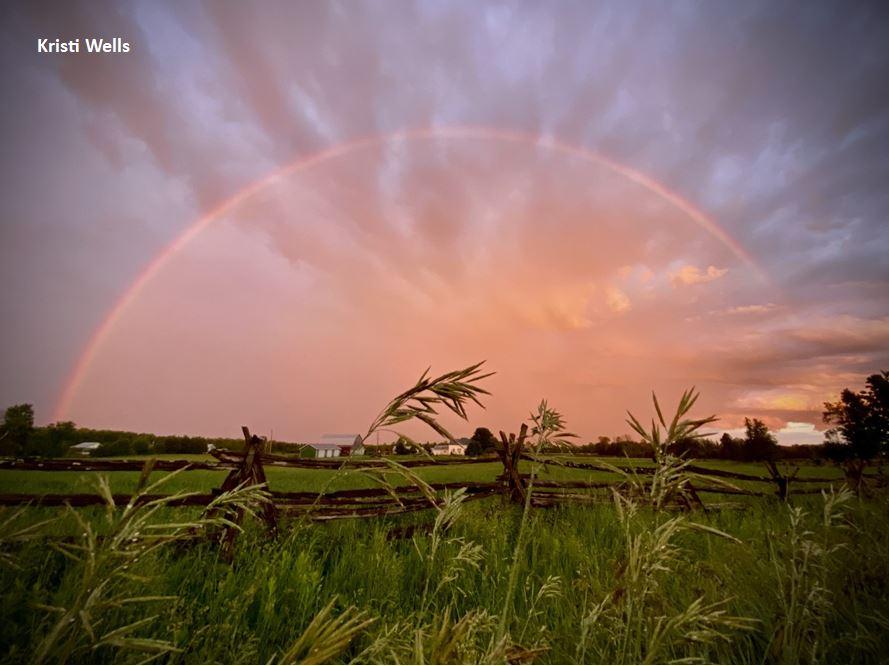
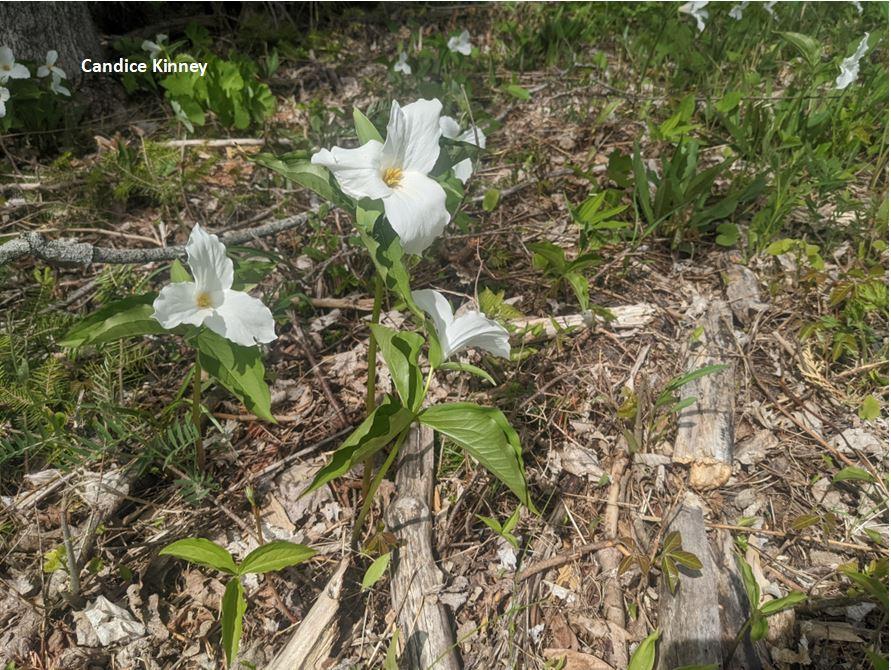
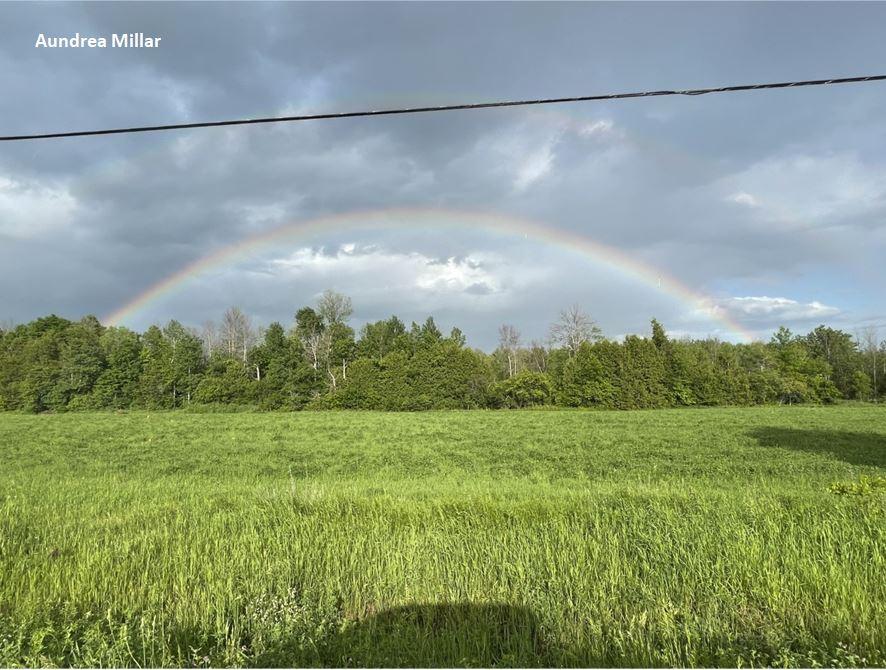
Below are more photos that were submitted to the Spring Fever Photography Contest that we wanted to share!

Council Highlights June 14, 2022
Here are the highlights from the Township of Drummond/North Elmsley Council meeting held on Tuesday, June 14, 2022.
Township Treasurer Retires
After 31 years, Linda Van Alstine gave notice to Council that she is retiring effective July 8, 2022. Linda started working for Drummond Township on January 1, 1991. She has seen a lot over those years and went through the amalgamation with North Elmsley in 1998, an ice storm and 2 major spring floods. She was appointed the Township Treasurer in 2011. Her most recent accomplishments include the implementation of a new financial system in 2021 and she has championed a new asset management plan. Her last day will be July 8, 2022. Council accepted her resignation with regrets and wished her all the best for her well-deserved retirement.
Road Allowance Closure
Council declared the unopened road allowance between Lots 15 and 16 Concession 11 surplus to its needs and will be undertaking the process to stop up, close and sell the road allowance.
Upcoming Meetings
• Special Committee of the Whole: Official Plan Review Issues and Options Report June 22, 2022 at 8:30 a.m.
• Council Meeting: June 28, 2022 at 5:00 p.m. followed by the Committee of theWhole
• Council will break for the month of July and resume on August 9
Book Sale June 25, 2022
Lanark Archives will be having a book sale on Saturday June 25th 10am - 4pm. Drummond Township Hall 1920 Concession 7, Drummond Centre
We have a selection of books on local history, genealogy, military history, vintage school textbooks, and much more. We have some Rural School Books still in stock. For more information, email us at This email address is being protected from spambots. You need JavaScript enabled to view it..

Preventing West Nile Virus Infections
Leeds, Grenville and Lanark District Health Unit
MEDIA RELEASE:
June 6, 2022
The Leeds Grenville and Lanark District Health Unit would like to remind our citizens that we will be starting our mosquito surveillance program once again this June. This program will be carried through until the end of September. Should you see one of our traps in your neighbourhood, please do not disturb it. These traps are not mosquito control units, so they have no value to property owners, but they are important in identifying mosquitoes and providing a warning that disease causing mosquitoes are present in a given area.
We all play a role in preventing West Nile Virus infections, and when we all do our part we will reduce the risk of this disease in our community.
Each homeowner has the responsibility of removing standing water that provides breeding areas for mosquitoes on their property. Most mosquitoes do not travel large distances and thus those breeding within your space are likely to bite you.
The municipality is charged with the responsibility of ensuring proper drainage on municipally owned lands and public ditches. The roads departments have the knowledgeable staff and proper equipment to ensure this is achieved. Additionally it is a municipal responsibility to address complaints regarding standing water on private land within its jurisdiction, using applicable property standards bylaws. Should positive mosquito pools be identified in a municipality, it is also the responsibility of council to take the necessary control actions as recommended by the Medical Officer of Health.
The Health Unit has the responsibility of assessing the risk for WNV within the Health Unit area. This is accomplished by conducting mosquito surveillance during the summer months. The presence of virus in these natural hosts is an early sign that the virus is gaining a presence in an area. The Health Unit is also responsible for following up any human cases of diseases and, more importantly, trying to prevent human cases by educating the public on personal protection and strategies that reduce mosquito breeding areas.
Individuals have the responsibility to protect themselves from mosquito bites by: avoiding areas with high mosquito populations; wearing light-coloured clothing, including long sleeves, pants and hat; covering exposed skin and using a mosquito repellent containing the appropriate amount of DEET.
For more information, visit the mosquitoes section on this page of the website : Insect Bites and Diseases - Leeds, Grenville and Lanark District Health Unit
For media interviews, contact: Susan Healey, Communications Co-ordinator at This email address is being protected from spambots. You need JavaScript enabled to view it. or call 613-802-0550